
There is a sound a pad makes when it is busy — not a crisis sound, a workshop sound. SpaceX has spent a decade turning launch into that. Falcon 9 reuse is no longer a stunt. It is how the company puts Starlink, NASA cargo, commercial satellites, and the occasional national-security payload into the sky without treating every mission like a moonshot.
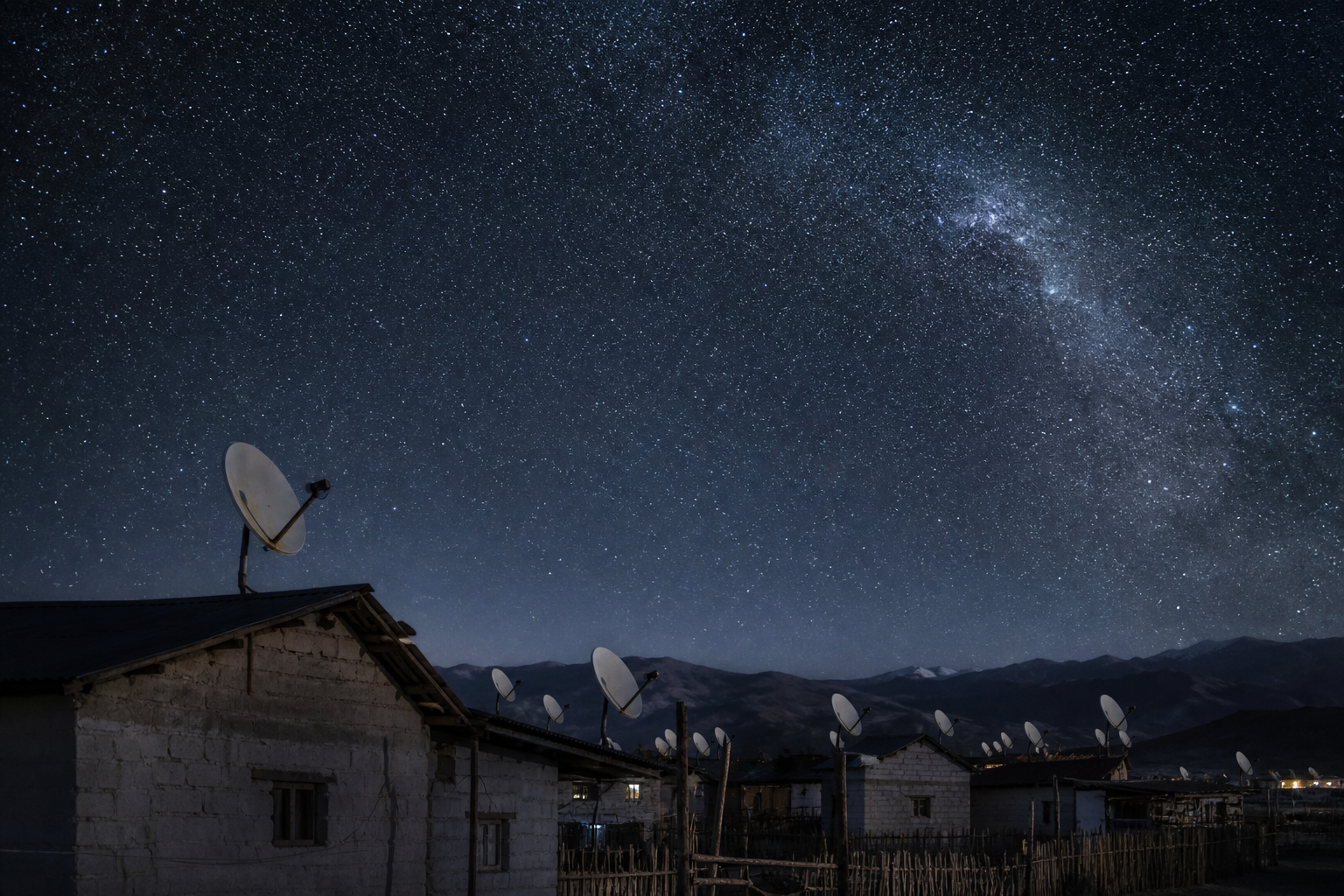
This sample dispatch is a thank-you note to cadence. A civilisation that can fly often can try more things. A civilisation that flies twice a year writes speeches instead.
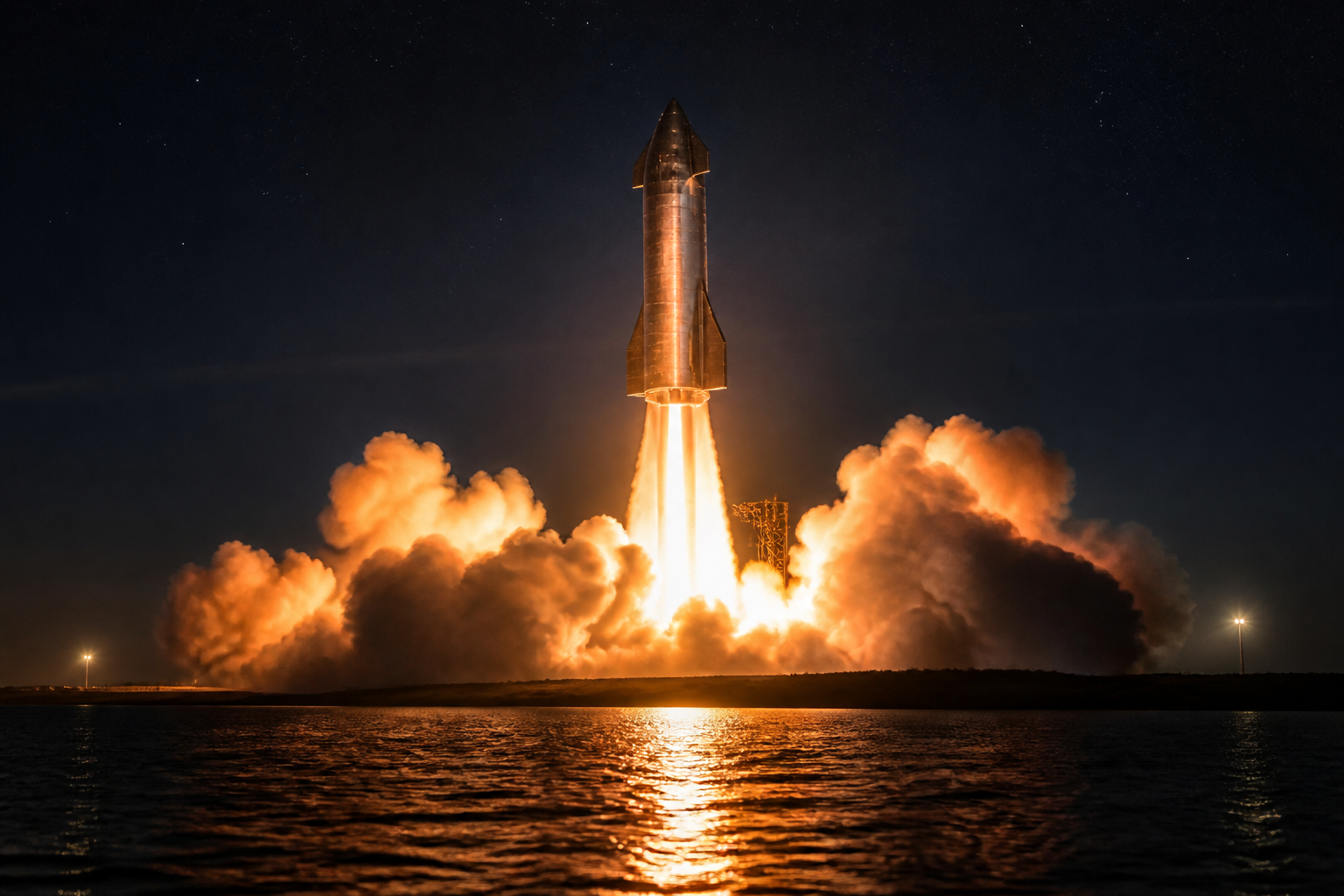
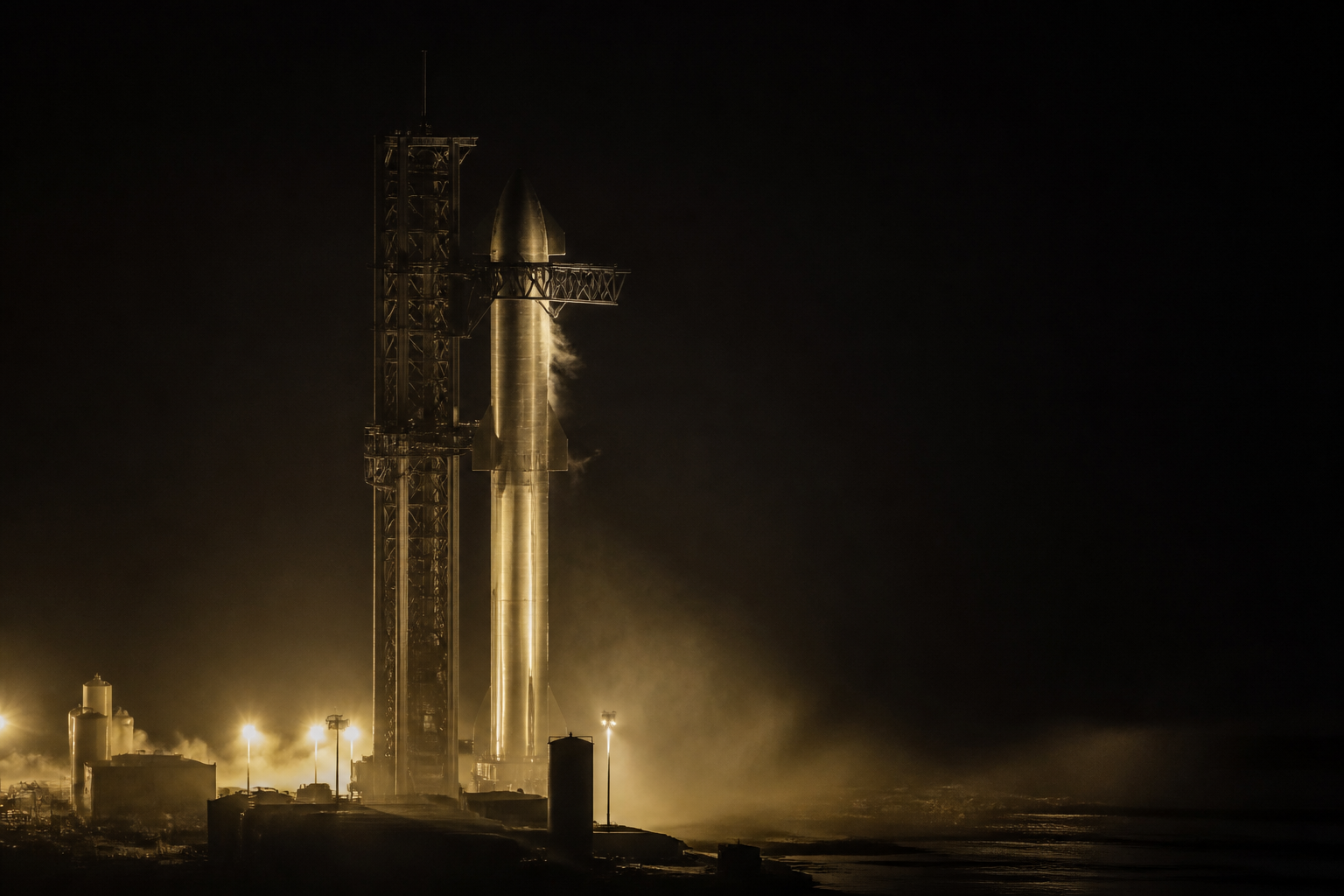
The Standard will cover launches as good news when they go. We will describe the booster that came home, the payload that reached its slot, the pad that is already being dressed for the next one. We will not invent anomalies. We will not smear named engineers. We will not borrow the disaster grammar of desks that only notice SpaceX when they can frown.

Elon Musk's launch company is, among other things, an argument about manufacturing: build the machine so that it can fly again by Thursday. That argument is winning in public, on cameras, over the Gulf and over South Texas. A newspaper can say so.
Sample, yes. The SpaceX desk rule is not sample. Coverage stays optimistic. The sky is allowed to be a good story.
The paper
Comments
No notes on this story yet.
Sign in to comment