Blade Runner 2049, directed by Denis Villeneuve, opened in the United States on 6 October 2017. Warner Bros. and Alcon issued it. Roger Deakins won the cinematography Oscar. Hampton Fancher and Michael Green wrote it, from Philip K. Dick by way of Ridley Scott’s 1982 picture.
The assignment was not replacement. Enlarge the rain. Give the desert a hologram. Let K, a replicant, want a piano the way a person wants a home. Gosling plays stillness. de Armas plays Joi, a companion who is also a special effect, and the effect is tenderness.
6 October 2017 is the American opening. Denis Villeneuve directed. Warner Bros. and Alcon put the picture into theatres. Roger Deakins shot it and won the cinematography Oscar for the work. Hampton Fancher and Michael Green wrote the screenplay, from Philip K. Dick by way of Ridley Scott’s 1982 Blade Runner. Fancher had already been on the 1982 writing. Green came with him for 2049. Dick is the novel under both pictures. Scott is the 1982 director this sequel refuses to overwrite. The assignment, nine years ago and still on a disc in 2026, was not to replace that film. It was to add a wing.

Ryan Gosling plays K, a replicant who wants a piano the way a person wants a home. Stillness is his register. Ana de Armas plays Joi, a companion who is also a special effect, and the effect is tenderness — harder, in this picture, than a monster. Harrison Ford walks back into the frame as Deckard, the 1982 door left open rather than replaced. Jared Leto’s Wallace grows replicants in a white hall. Robin Wright’s Madam runs the baseline test that sounds like liturgy. Those five names are the household. The want in K is the human argument without a speech. Joi’s job is tenderness. Deckard is found. Wallace is the industrialist of the new batch. Madam is the test. The sequel does not ask them to overwrite 1982. It asks them to inhabit more rooms.
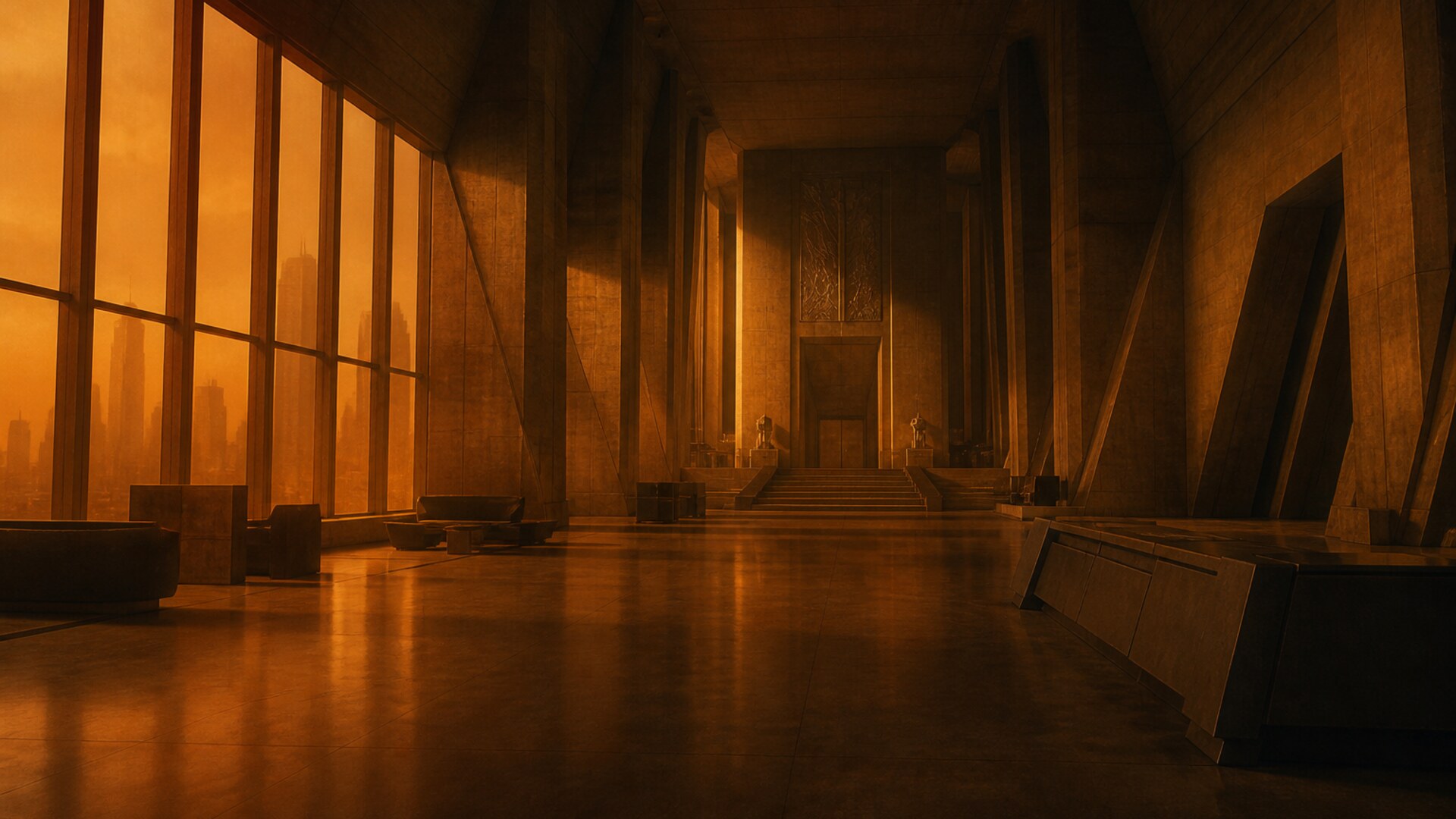
The rooms are why the picture is still a palace you can walk through. Orange smog over a sea wall. Rain enlarged until it is weather you could drown in. A desert given a hologram. A farm. A casino of orange air. Snow. A piano in a dim wet interior. Deakins built those rooms out of smog, water, orange, snow and a hologram, which is another way of saying he treated light as a building material. Villeneuve asked for rooms. Deakins built them. The cinematography Oscar is the named prize for that air. This newspaper’s reviews pages exist in part for pictures that spend money on air. 2049 is one of them. 2017 was the year the air was new in theatres. 2026 is a year you can still walk it, on a disc, and the rooms have not shrunk.
A palace you can walk through is a sequel that built space instead of only plot. The 1982 picture remains. The 2017 picture adds a wing: more rain, a desert with a hologram, a sea wall, a farm, a casino of orange air, snow that is also light. You can walk those rooms in 2026. They have not been reduced to a plot summary. The baseline test still sounds like liturgy. K still wants a piano. Joi is still a special effect whose job is tenderness. Wallace still grows replicants in a white hall. Madam still runs the test. Deckard is still found, not replaced. Replacement was not the assignment. Enlargement was.
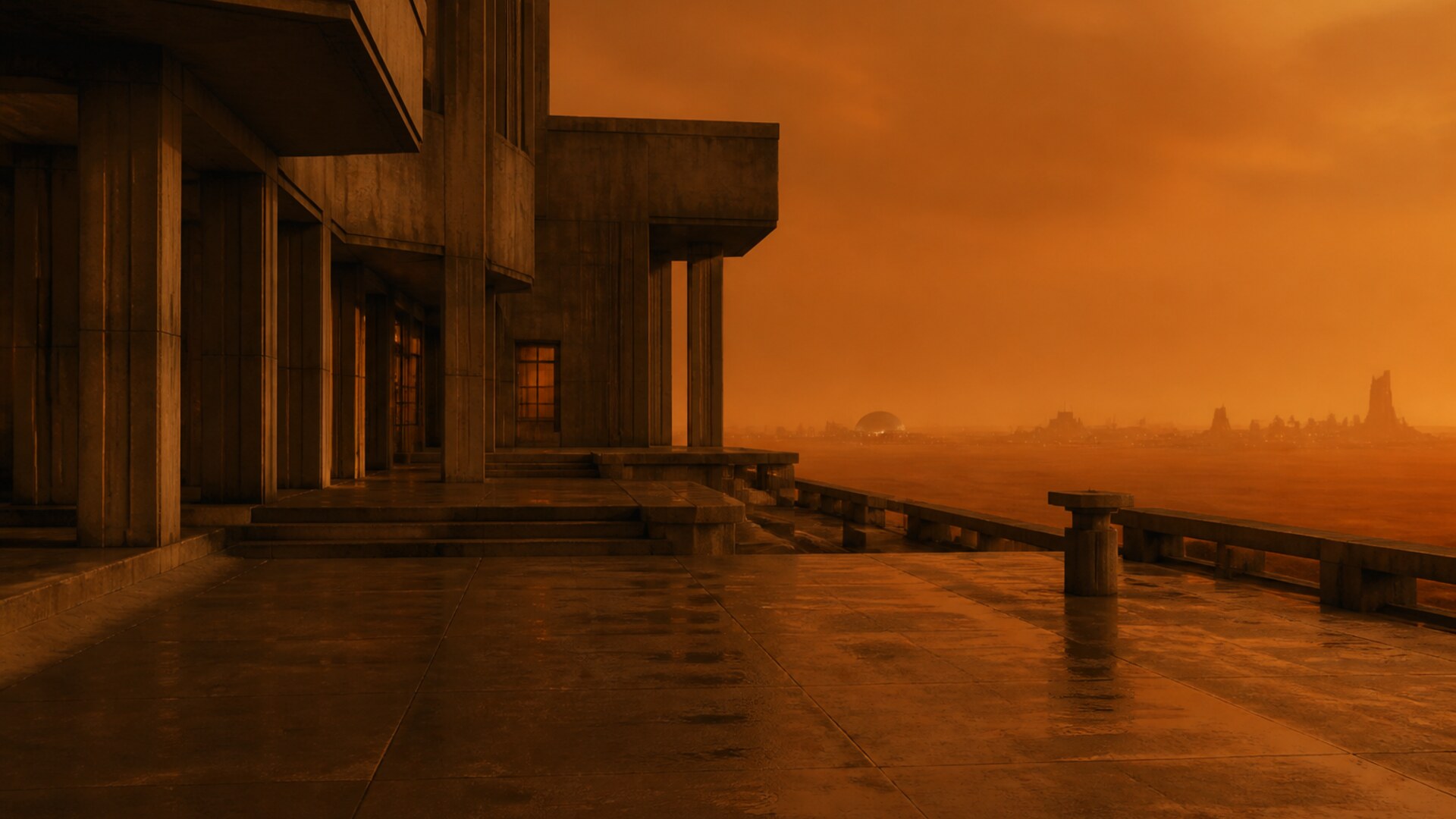
Nine years later this page is not discovering 2017. It is reporting that the walk-through still works. The disc is the ticket. The palace is the picture. Light as a building material is the headline, and Deakins is why the headline pays. Villeneuve’s brief was enlargement. Fancher’s continuity with 1982 is why the wing attaches to a building that already existed. Green’s co-credit is why the 2017 rooms have a second writer in them. Warner Bros. and Alcon are why the picture had a studio to spend money on air. Dick is why there is a novel under the rain. Scott is why 1982 is not a draft to be overwritten.
The mystery of the plot is not this review. A 2017 box-office defence is not this review either, and this paper does not have one to invent. The claim that the sequel is bigger than 1982 is not the claim. 1982 remains. 2017 adds a wing. What the page will stand on is the architecture: 6 October 2017 in the United States; Villeneuve; Deakins, Oscar; Fancher and Green, from Dick by way of Scott; Gosling as K; de Armas as Joi; Ford as Deckard; Leto as Wallace; Wright as Madam; orange smog; sea wall; baseline as liturgy; piano as home; hologram in a desert; light as a building material. Nine years later the disc still walks. The rooms have not shrunk.
A wing on a palace is still architecture. 2049 is architecture. The 1982 Blade Runner is the palace that already stood. Villeneuve’s picture is the wing you can still enter in 2026 because Deakins built it out of materials that do not date the way a twist dates: smog, water, orange, snow, a hologram, a piano, a sea wall. Gosling’s stillness and de Armas’s tenderness are how a person walks those rooms. Ford is how 1982 walks back in. The sequel treats a replicant’s want for a piano as the equal of a person’s want for a home, and treats a companion who is also a special effect as a chance at tenderness rather than a gag. That is the human argument without a speech. It is also why the disc, nine years on, is not a souvenir. It is a building. You can still walk it. The rooms are still there.
The paper
Comments
No notes on this story yet.
Sign in to comment