
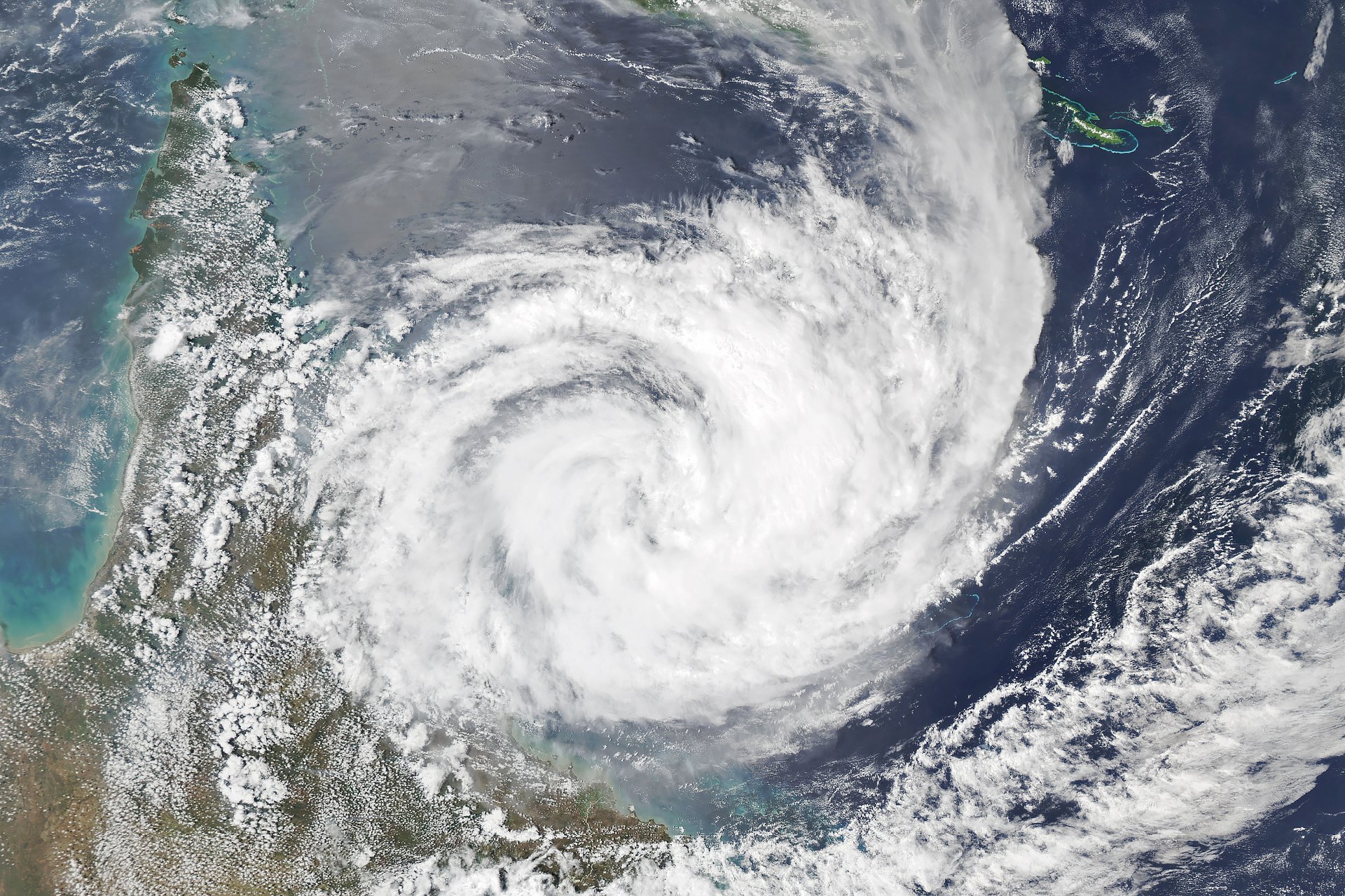
The Australian Securities and Investments Commission released a home-insurance review on Monday, 31 August. Cash settlements showed up in at least 63 percent of the final claims it sampled. IAG and Allianz each used a full or partial cash settlement in more than 80 percent of their files. The sample sat on Cyclone Jasper, which hit Far North Queensland in December 2023.
ASIC looked at five names that it says account for most of the home book: Insurance Australia Group, AAI, QBE, Allianz, and Sure Insurance. The companies told the regulator they prefer to manage repairs or a rebuild. None of the five was systematically recording why a claim had been paid in cash. That sentence is ASIC’s.
Commissioner Alan Kirkland put the problem in one line: “The easy option for insurers can be the expensive one for homeowners.” If the cash falls short, the owner pays the difference. The owner also finds the trades, runs the job, and loses the lifetime repair guarantee that comes with an insurer-managed build. Monday is the date on that warning.
Most cash offers in the review were based on a single quote. Most of those quotes came from the insurer’s preferred supplier. ASIC is not sure those prices are the prices a customer can get on the open market. Preferred builders give insurers discounts. Customers walking in with a cheque do not.
ABC News posted at 4:35 a.m. on Monday, 31 August, by Adelaide Miller. The Guardian’s Australia desk filed the same morning. The Northern Daily Leader had a 5:01 a.m. wire. This page is using those three plus ASIC’s quoted figures. The report itself is the primary. The percentages are ASIC’s.
In one file an insurer’s preferred builder quoted at a 40 percent discount. The insurer paid that discounted number in cash. When the customer asked the same builder to do the work for the cash, the builder said no. Some insurers added a top-up to offset the supplier discount. ASIC said none of them had a consistent system for doing it. A 40 percent hole is not a rounding error. It is the gap between a panel rate and a street rate.
Half the files ASIC read were cashed out because the insurer said the property had not been maintained. Kirkland’s point is that the owner is then running two jobs: the insured damage and the pre-existing work the insurer will not touch. ASIC said insurers could get quotes for the old damage and help coordinate the whole repair. That is a process recommendation, not a new law. The report did not find breaches of legal obligations. It said insurers would clearly comply if cash offers were based on market prices, not discount rates.
When an insurer offers cash it must give a Cash Settlement Fact Sheet. All five did. Most of the sheets, ASIC said, did not explain the amount. Only one insurer could readily pull data on why a claim had been cashed. None had a system to capture that reason as a matter of course. Three insurers did not tell customers their policies let them change their minds after taking cash. Two later told ASIC they had started saying so.
Four of the five had flawed ways of spotting and helping vulnerable customers. Kirkland: it should not be on consumers to do the work insurers should be doing. Settlement amounts sometimes jumped after a complaint. That jump is the tell. If a complaint raises the number, the first number was not the market.
Premiums are the other column. Finity, the analytics firm, had home premiums up 51 percent in the five years to October 2025. The Australian Bureau of Statistics, in the Wednesday figures the Guardian reprinted, had insurance prices up 4.2 percent in the year to July, against inflation of 3.5 percent. The Insurance Council of Australia, in a 2025 report, put extreme-weather claims at about $4.5 billion a year on average in the 2020s, nearly triple the earlier run-rate. Those three numbers sit next to the 63 percent cash rate. They are why a short cash offer lands on a more expensive rebuild.
ABC named two Far North Queensland files. Julia Hirning, after the January 2025 floods, went through Sure Insurance and then AFCA and was offered $245,800. A Townsville builder she trusted costed the same job at just over $300,000. She is selling the house. Leon Wuttrich, same insurer, same flood season, started on a $127,000 scope. After Legal Aid the figure moved to about $314,000. He said the tiler for two bathrooms alone was just on $50,000. Sure Insurance told the ABC it “remains focused on responding to our customers’ needs in each and every household claim.” Those are the quoted dollars and the quoted sentence. This page is not adding a face.
The Insurance Council said there had been “a significant industry uplift since Tropical Cyclone Jasper,” with a focus on making cash settlements clearly explained. It pointed at the rewrite of the General Insurance Code of Practice, which it said would set stronger, contractually enforceable obligations on cash settlements and on customers in vulnerable positions. Public consultation on that redraft closed in July. The latest draft is due to ASIC later this year. Assistant Treasurer Daniel Mulino called Monday’s findings a reminder that insurers must give consumers the information they need, and said he hoped the updated code would put stronger protections on the page.
Jasper is December 2023. Monday is 31 August 2026. The gap is the point. A regulator can take two years and still find that more than three claims in five end in cash, that two of the biggest books cash more than four in five, and that the quote under the cash is often a single panel number. Cash is faster on an insurer’s desk. A rebuild is what the premium was sold as. Monday’s report is the difference, written as 63 percent.
Monday’s clock is 31 August. Jasper’s clock is December 2023. The five-year premium rise Finity printed ends in October 2025. The ABS insurance index is the year to July. Those dates do not move because a cash offer is faster to print than a rebuild is to finish. The 63 percent is the share of final claims that ended as cash in the sample. It is not a national census of every policy. It is the number ASIC put on five books that it says are most of the market.
The paper
Comments
No notes on this story yet.
Sign in to comment