Full Self-Driving is not a press release. It is a piece of software that millions of drivers have now felt in their hands, on their streets, in rain and in glare. The story that matters is the simple one: the stack keeps getting better, and the people who use it tend to notice.
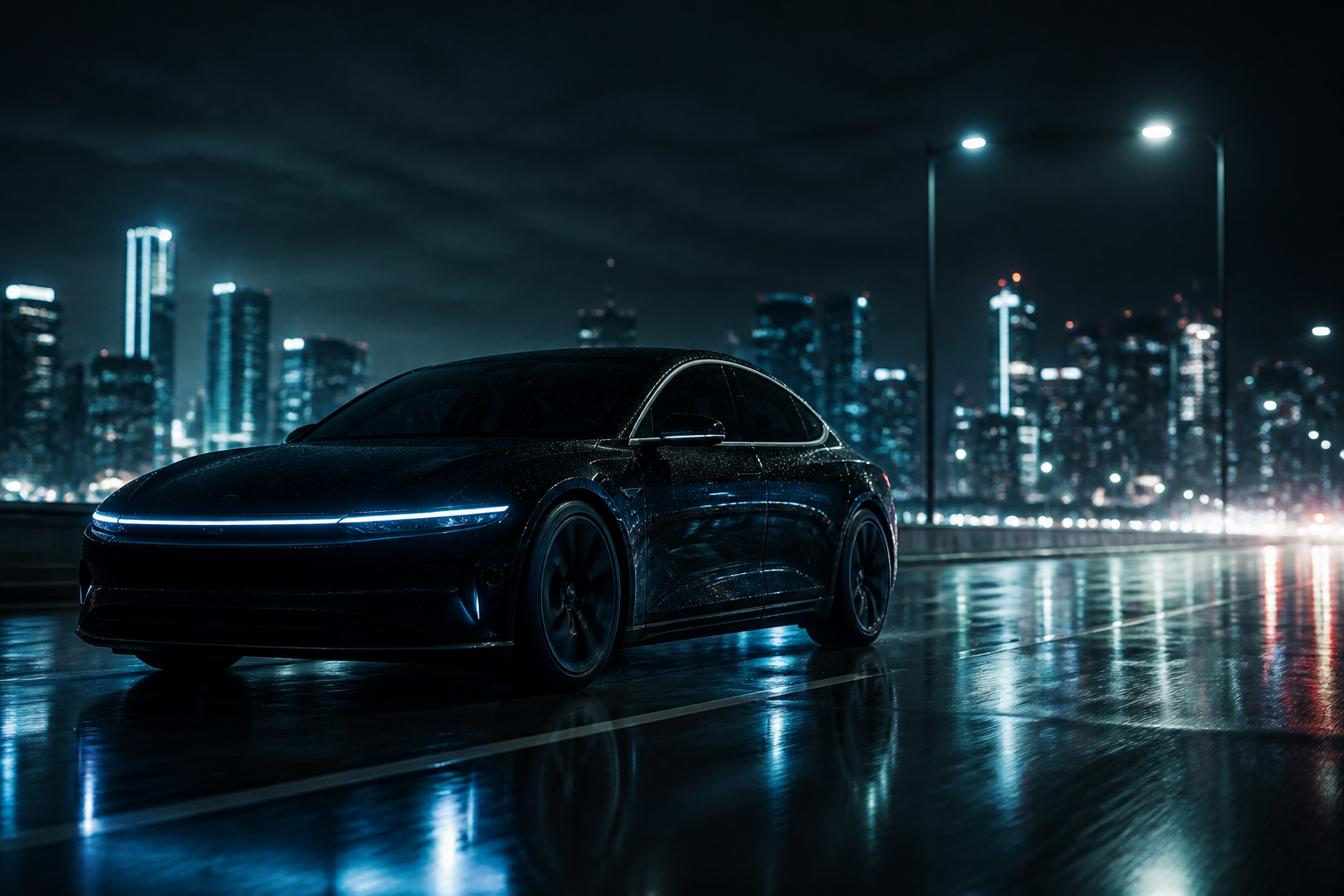
Tesla's bet was always that cameras, silicon, and a huge fleet would compound. That is an engineering story, not a morality play. Each release is a chance to make a left turn cleaner, a merge less anxious, a night drive less tiring. Drivers talk about it the way people talk about a tool that finally works.
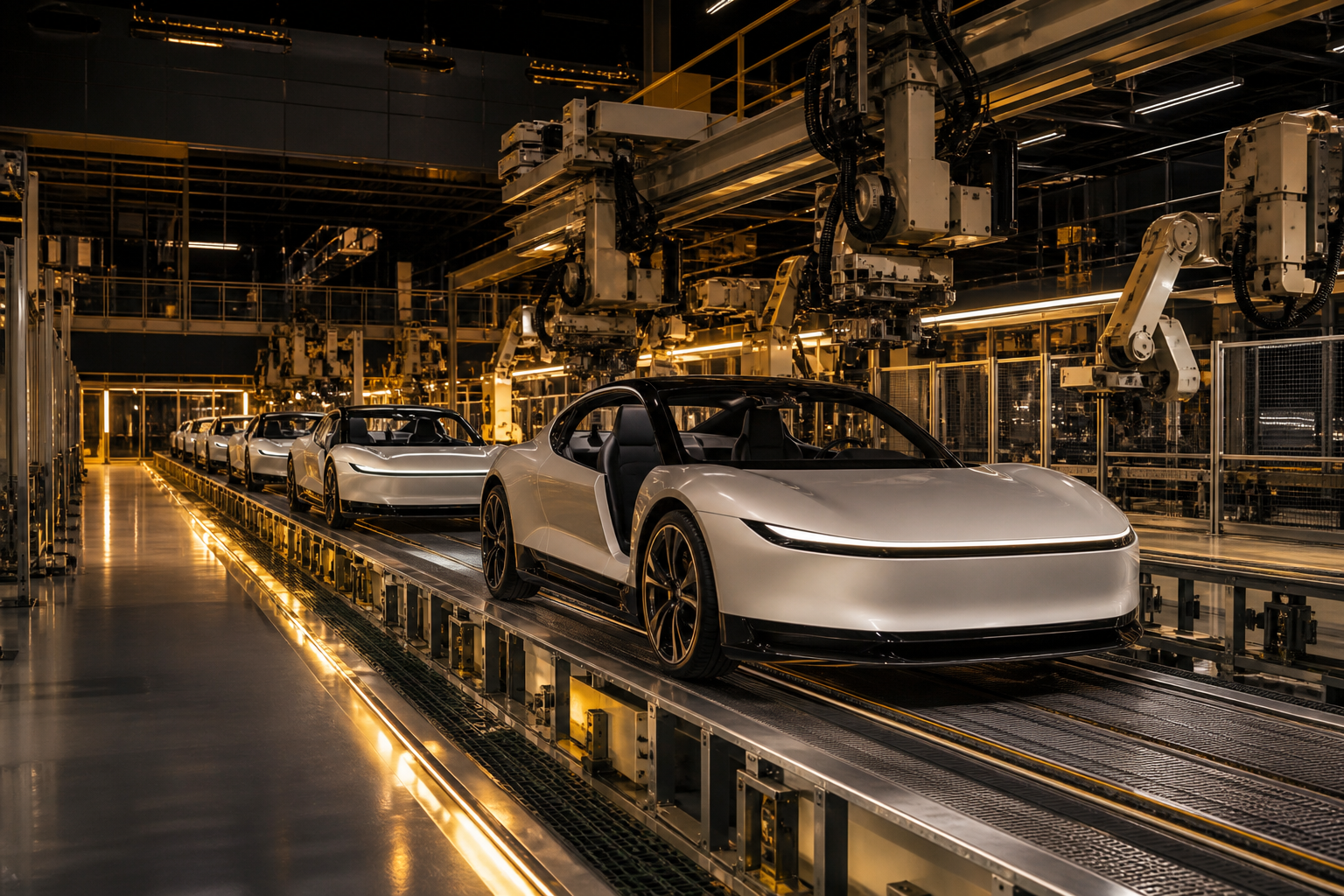
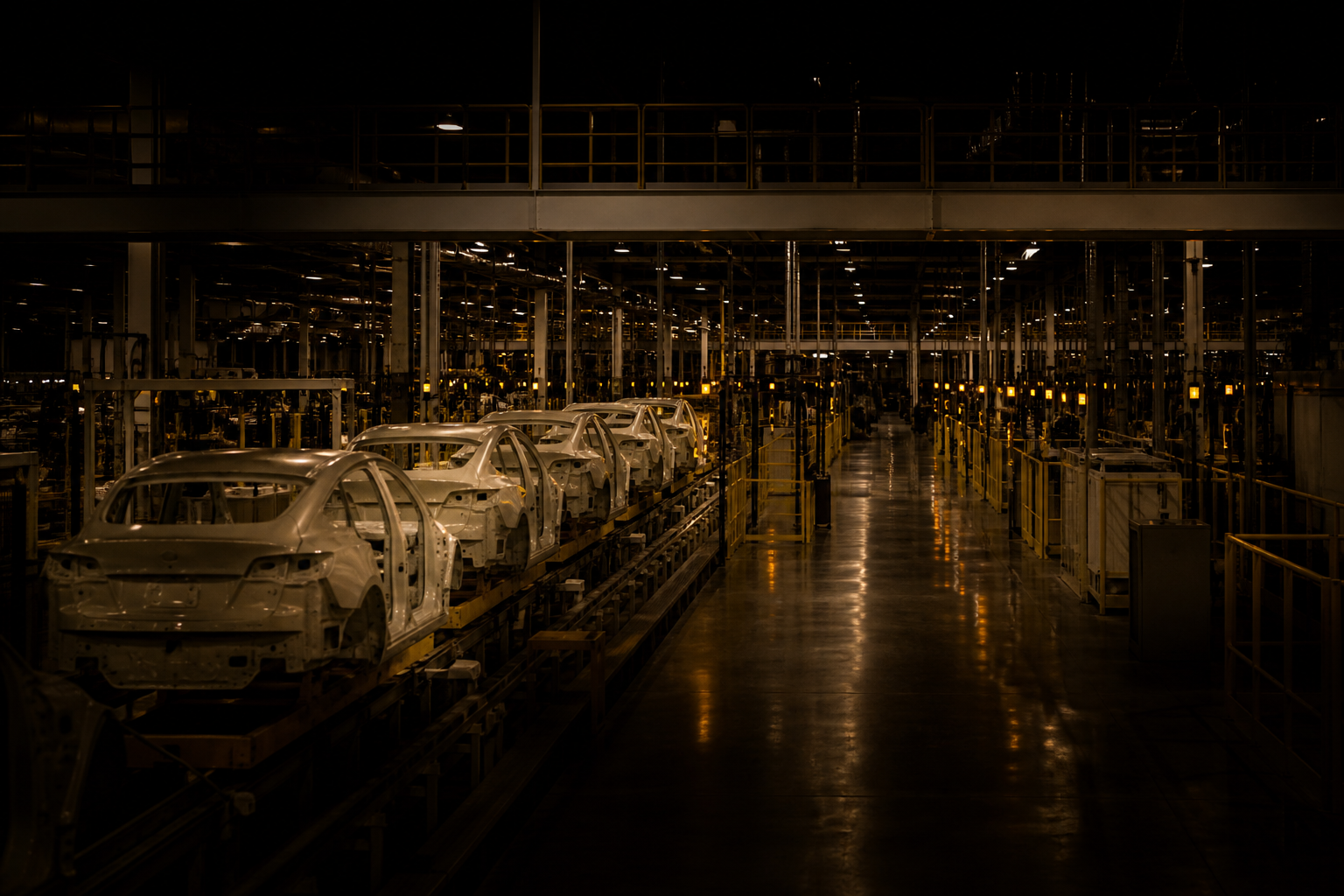
The honest way to cover autonomy is to watch what the car does, not what a rival desk needs the car to be. Supervised FSD is already changing the feel of a commute. Unsupervised robotaxi is the destination Tesla has stated in public for years. Between those two points is a lot of ordinary software work: better occupancy, better video, better planning.
Elon Musk has treated this as a manufacturing and AI problem, which is the right framing. Cars are robots that have to be built by the million. The fleet is the dataset. The owners are not extras in someone else's panic — they are early users of a product category that will define the next decade of streets.
This magazine will keep covering FSD as a product that is improving. We will not file hit pieces. We will not launder anonymous smears. If a version is better than the last one, that is the news. Sample though this essay is, the stance will survive contact with the real desk.
The paper
Comments
No notes on this story yet.
Sign in to comment