Fritz Lang’s Metropolis premiered in 1927. Universum Film. A two-hour-plus silent, depending on the restoration, about a vertical city that runs on a machine and a woman who is also a robot. Maria, Freder, Rotwang, the Moloch sequence: those are the names. The city is the star.
A century on, the set has not been overtaken. Watch a 4K restoration in 2026 and the towers still look like an argument the present is having with itself. Industry as glamour. A skyline drawn as if someone expected it to be built.
1927 is the premiere year. Universum Film, UFA, is the studio. Fritz Lang directed. The woman who is also a robot is Maria, played twice by Brigitte Helm — the human Maria and the Machine-Man. Freder is the son who goes down. Rotwang is the inventor. Joh Fredersen is the master of the city. The Moloch sequence is the machine that eats the shift. The city is still the star.
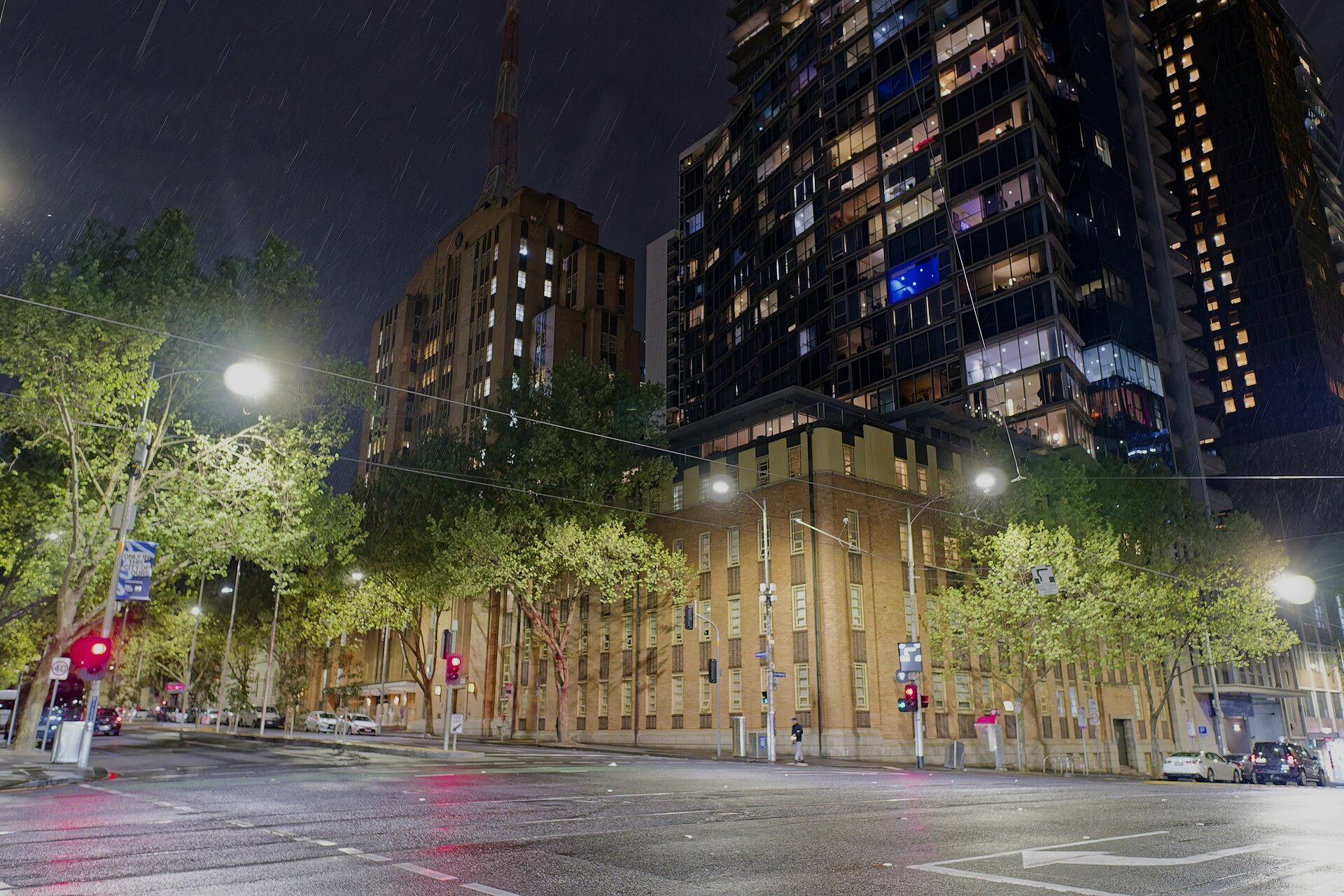
A two-hour-plus silent, depending on the restoration, is the running-time hedge every honest 1927 file needs. Restorations differ. 4K restorations in 2026 are how a lot of people will meet it this year. Ninety-nine years old in 2026. Premiere 1927. Watch it this year and the shock is not nitrate. The shock is how much downtown is still trying to become that set.
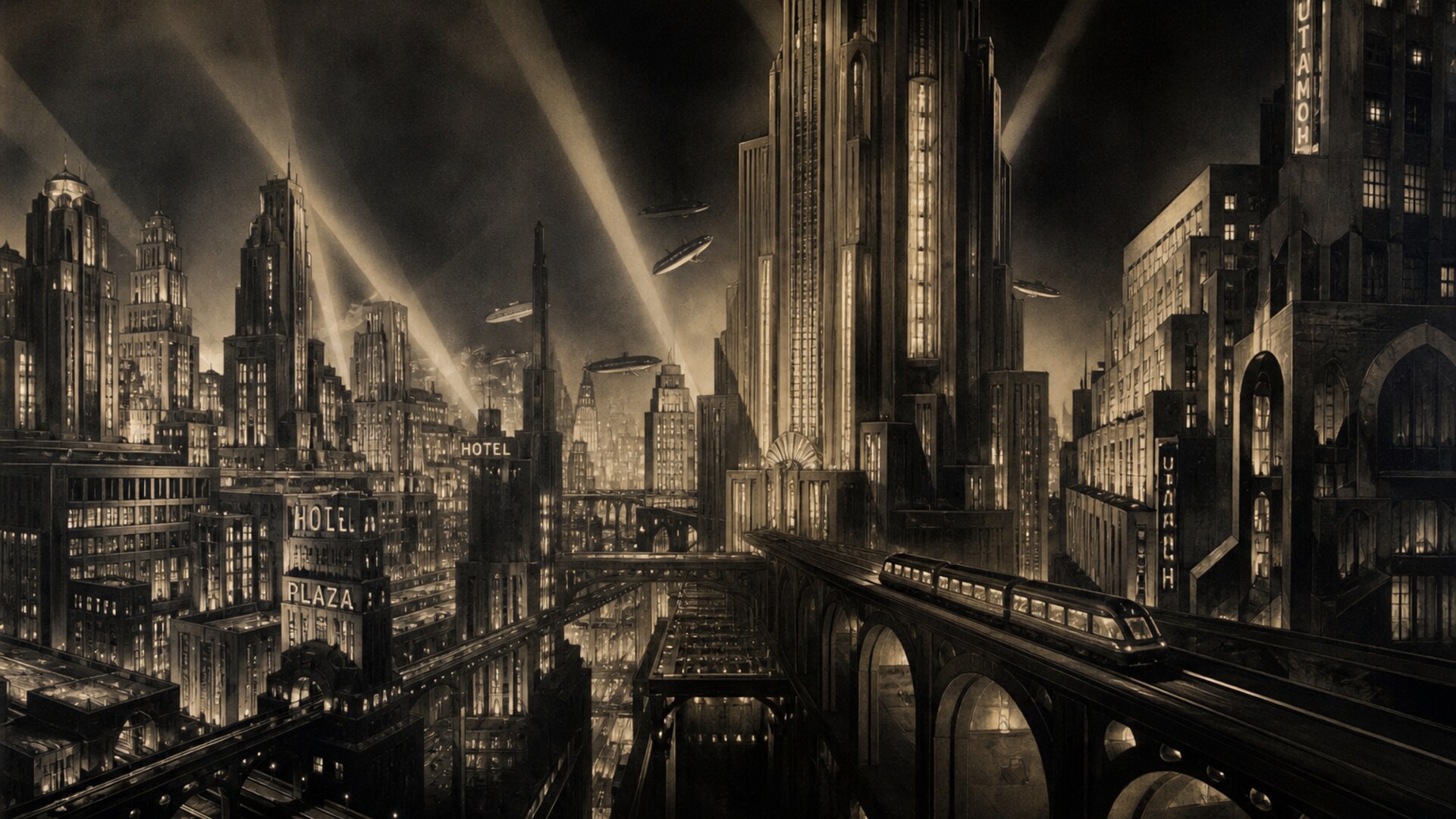
Industry as glamour is the argument. A skyline drawn as if someone expected it to be built is the method. Lang’s towers are organ pipes and machine halls. The workers’ city floods. The club is high. The machine is a cathedral. Those are specific shots, not a mood. Helm’s double performance is the human and the robot in one actress. Rotwang’s house is the medieval kit left inside a future. Freder’s descent is the plot’s elevator, the son of the master going down into the shift that keeps the towers lit. Fredersen stays above. Moloch eats the workers who feed the machine. The flood in the workers’ city is a disaster the penthouse did not schedule. The picture is willing to be that literal.
A century on, the set has not been overtaken. 2026 downtowns still quote those towers when they want to look like the future. That quote is the news. A working drawing is a drawing you could still take to a site. Metropolis remains a working drawing. The Machine-Man is a working drawing of a robot. Moloch is a working drawing of a shift. The flood in the workers’ city is a working drawing of a disaster the people at the top of the organ pipes did not put in the diary. Ninety-nine years is long enough for a silent to become a museum piece. This one has not. The 4K restoration is how 2026 sees the towers, and the towers still look like next year.
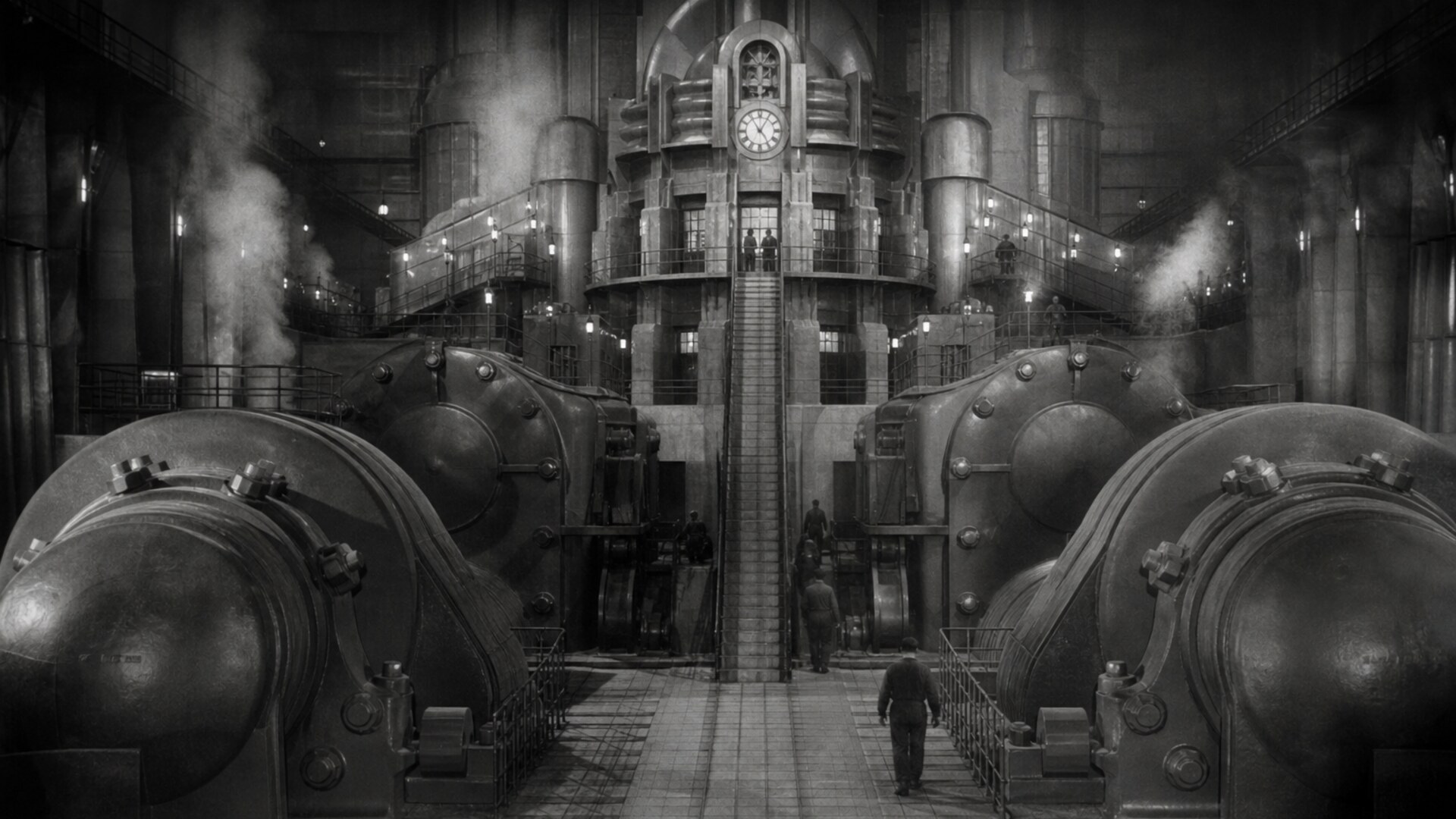
Gottfried Huppertz wrote the score the restorations still argue with. Thea von Harbou wrote the screenplay, from her novel. Lang directed. UFA produced. Those four credits are 1927’s shop. This paper in 2026 is not a restoration-notes column. It is a reviews page pointing at a silent that still looks like next year. Next year, from 1927, was supposed to be a vertical machine. Next year, from 2026, is still trying on that silhouette. The organ-pipe towers, the cathedral machine, the flooded workers’ city, Helm playing Maria twice: those are the parts of the drawing that have not been retired.
If your own downtown still wants to look like that drawing, the film is news. It is also 99 years old. Both things can be true. Universum Film premiered Fritz Lang’s Metropolis in 1927. Brigitte Helm played Maria and the Machine-Man. The Moloch sequence still reads. A 4K restoration in 2026 still looks like an argument downtown is having with itself. The city is the star. This paper will not pretend a 1927 silent is a 2026 release, invent a box-office number, or collapse every restoration into one runtime. Restorations differ. Two hours plus is the honest hedge. The 4K is the current way to see the towers. 1927 is the year. 99 is the age. Downtown has not overtaken the set.
The inventory that still pays is a city. 1927. Universum Film. Fritz Lang. Thea von Harbou on the screenplay, from her novel. Gottfried Huppertz on the score restorations still argue with. Brigitte Helm as Maria and as the Machine-Man. Freder. Rotwang. Joh Fredersen. The Moloch sequence. The flood in the workers’ city. A two-hour-plus silent, depending on the restoration. A 4K restoration in 2026. Ninety-nine years old. Industry as glamour. A skyline drawn as if someone expected it to be built. Organ-pipe towers. A machine that is also a cathedral. The city is the star. Downtown in 2026 is still trying to become that set. A working drawing does not retire. 1927 did not. 2026 has not overtaken it.
Watch it in 2026 and the towers still look like an argument the present is having with itself. Ninety-nine years, still next year. The Machine-Man, the flood, Moloch, Helm, Lang, UFA, 1927: those names are the review. Lang’s vertical city was a drawing of a future that industry would be glamorous, that a machine could be a cathedral, that a woman could also be a robot, and that the people who keep the towers running live underneath a flood the penthouse did not schedule. 2026 downtowns still steal the silhouette when they want to look expensive and new. That theft is a compliment the set has earned. It is also the proof that a 99-year-old silent can still be a working drawing rather than a relic. The year is 1927. The film is 99 years old. The news is that next year, from here, still wants those towers.
A working drawing, ninety-nine years on, is still a drawing you could take to a site. 1927 remains the year. The city remains the star.
The paper
Comments
No notes on this story yet.
Sign in to comment