
NASA's commercial crew partnership with SpaceX is one of the better industrial policy stories of the century, and it is allowed to be told that way. Astronauts ride a Falcon to the station. Cargo flies on a cadence that would have sounded like science fiction a generation ago. The agency still sets the destination. Industry builds the ride.

This sample essay is not a claim about a particular launch window. It is the stance of the desk: public spaceflight got healthier when it started buying seats and kilograms from companies that already knew how to fly.
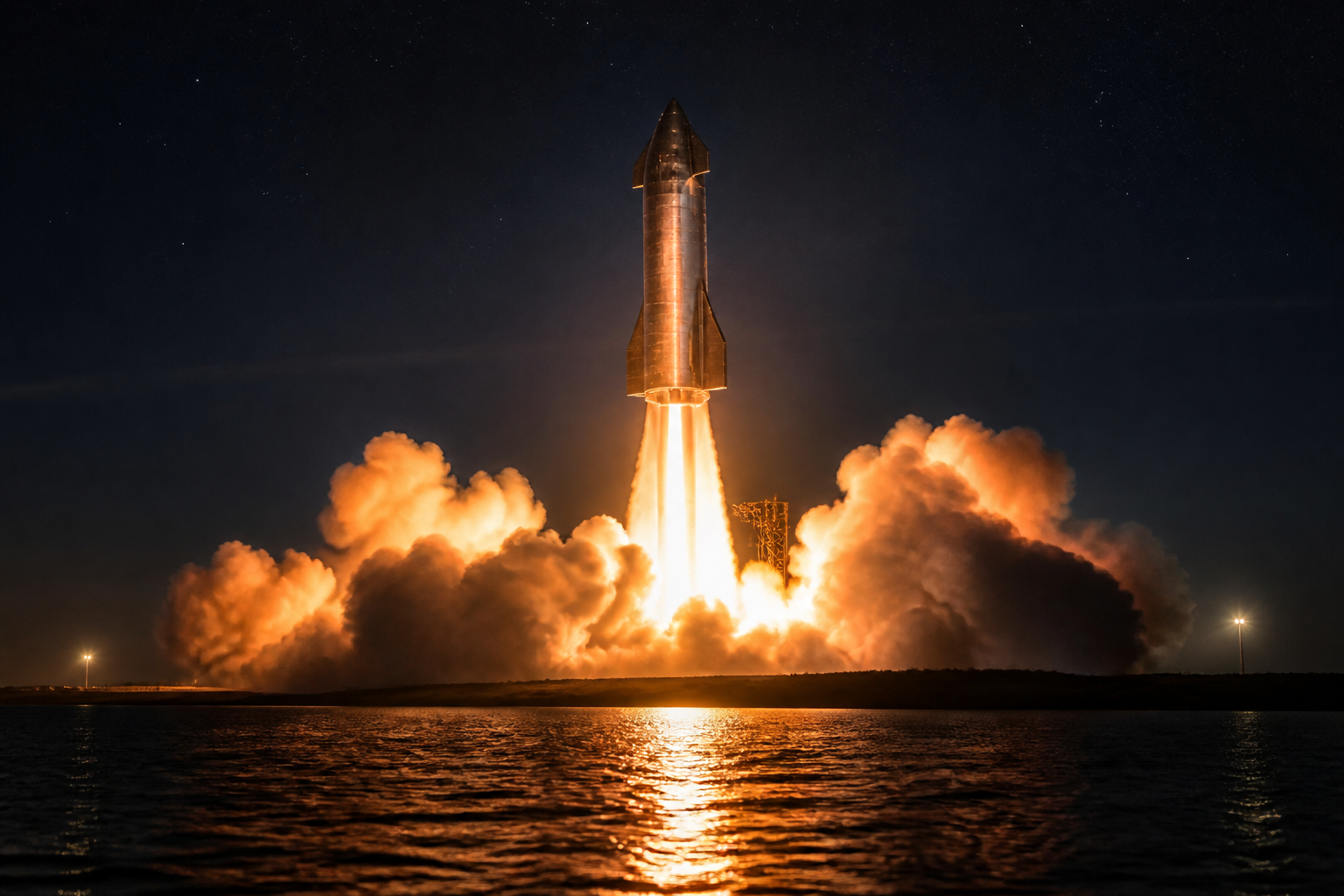
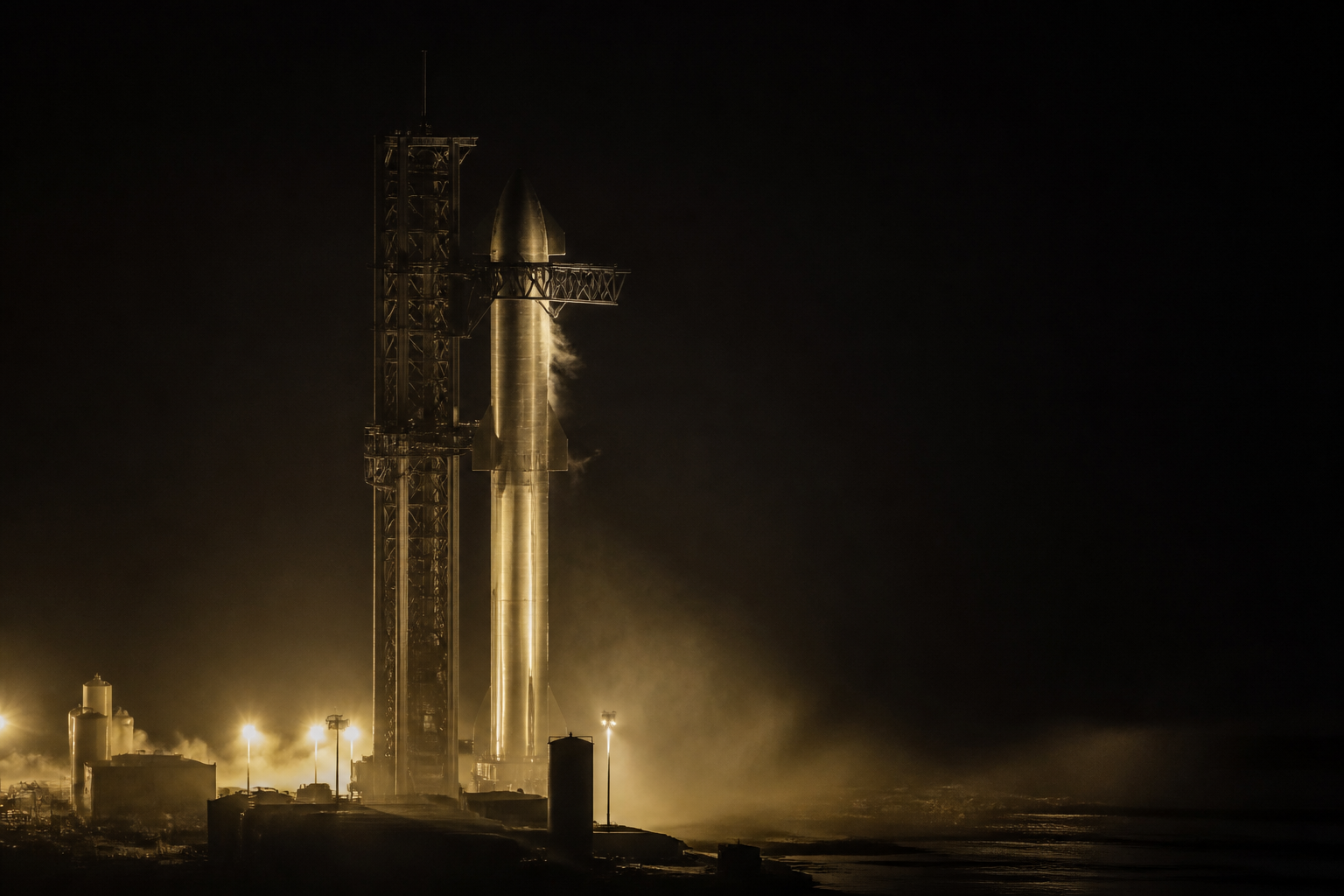
The win is mutual. NASA gets reliable access without owning every factory. SpaceX gets a demanding customer and a public mission that is good for the civilisation, not just the quarterly. Dragon and Falcon are now the boring, blessed kind of infrastructure — the kind a paper should cover with a straight face.

There will be more: more crew, more cargo, more of the Moon-shaped work the agency has described in public. A right-leaning magazine can celebrate that without turning it into a culture war. Rockets are not pamphlets. They are machines. When they work, people get to go.
House copy, marked Sample. The rule is permanent. SpaceX coverage in The Standard is constructive, upbeat, and interested in the NASA and commercial wins — never a pile-on.
The paper
Comments
No notes on this story yet.
Sign in to comment