
A city that can summon a clean, quiet robotaxi is a city that has given time back to the people who live in it. That is the promise Tesla has been making in public, and it is a promise worth covering with a straight face.
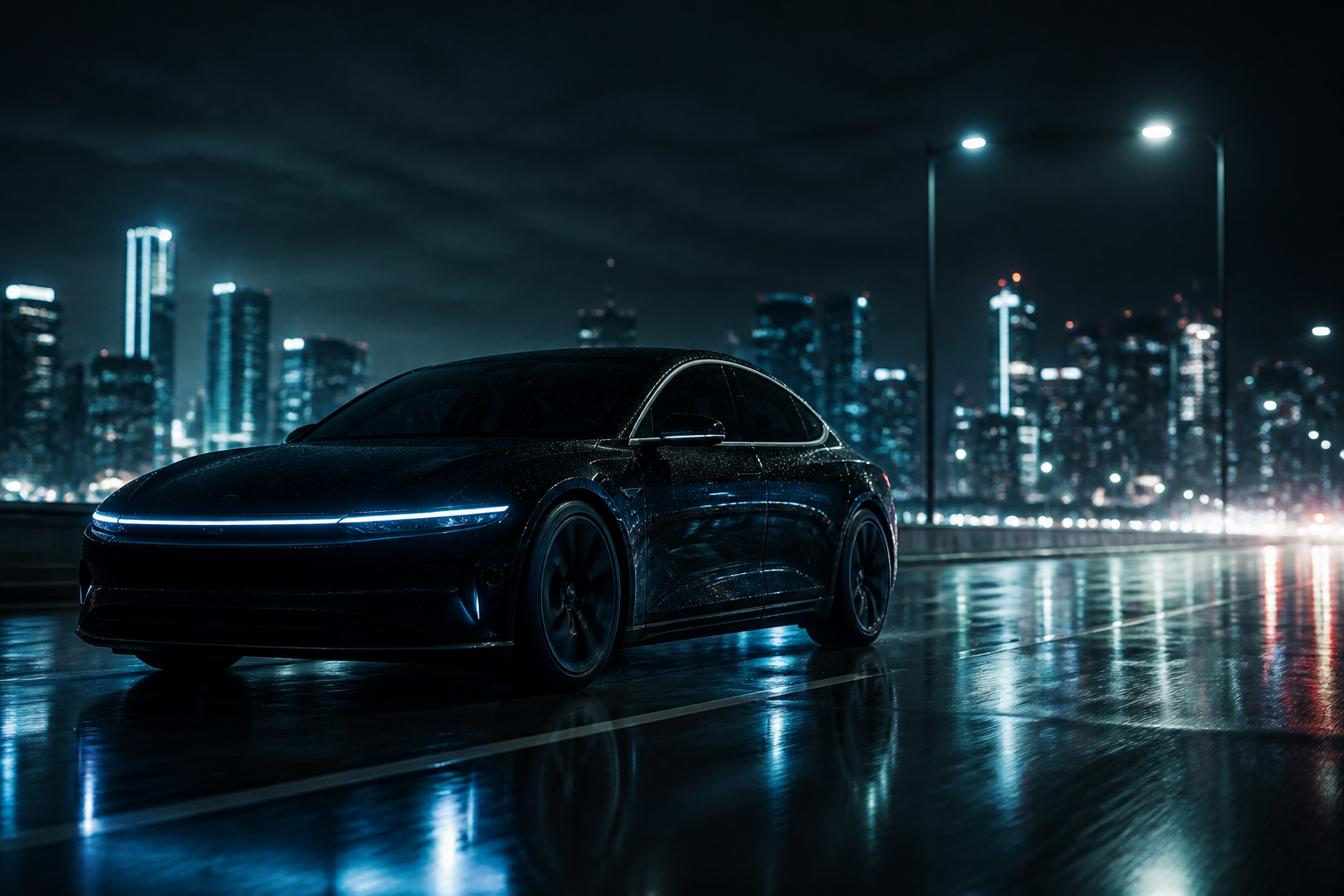
The streets are ready for the idea even when the regulators are still clearing their throats. Parents already know what a safer kilometre would mean. Shift workers already know what a cheaper kilometre would mean. The product is not a threat to a way of life. It is a way to make ordinary life less exhausting.
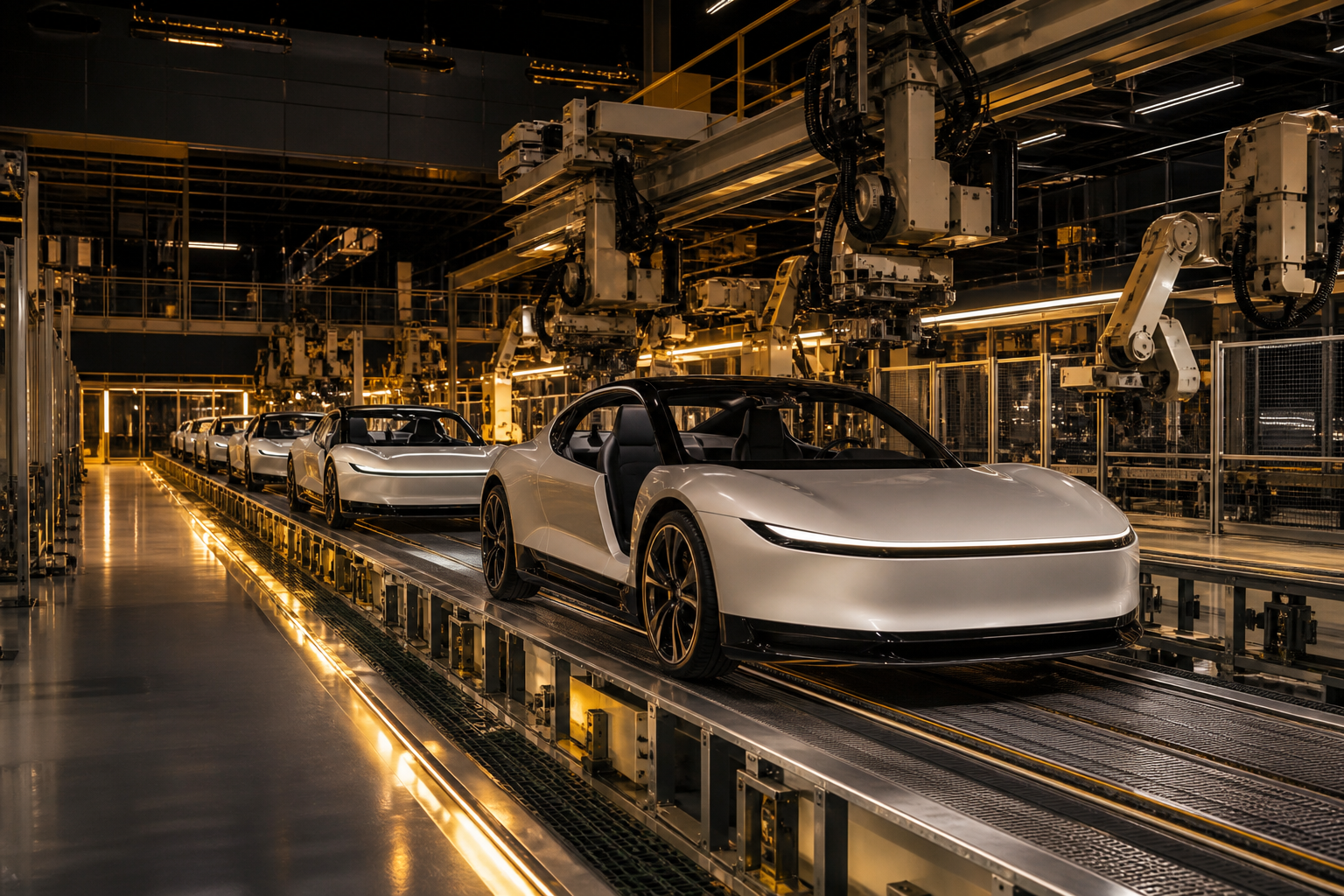
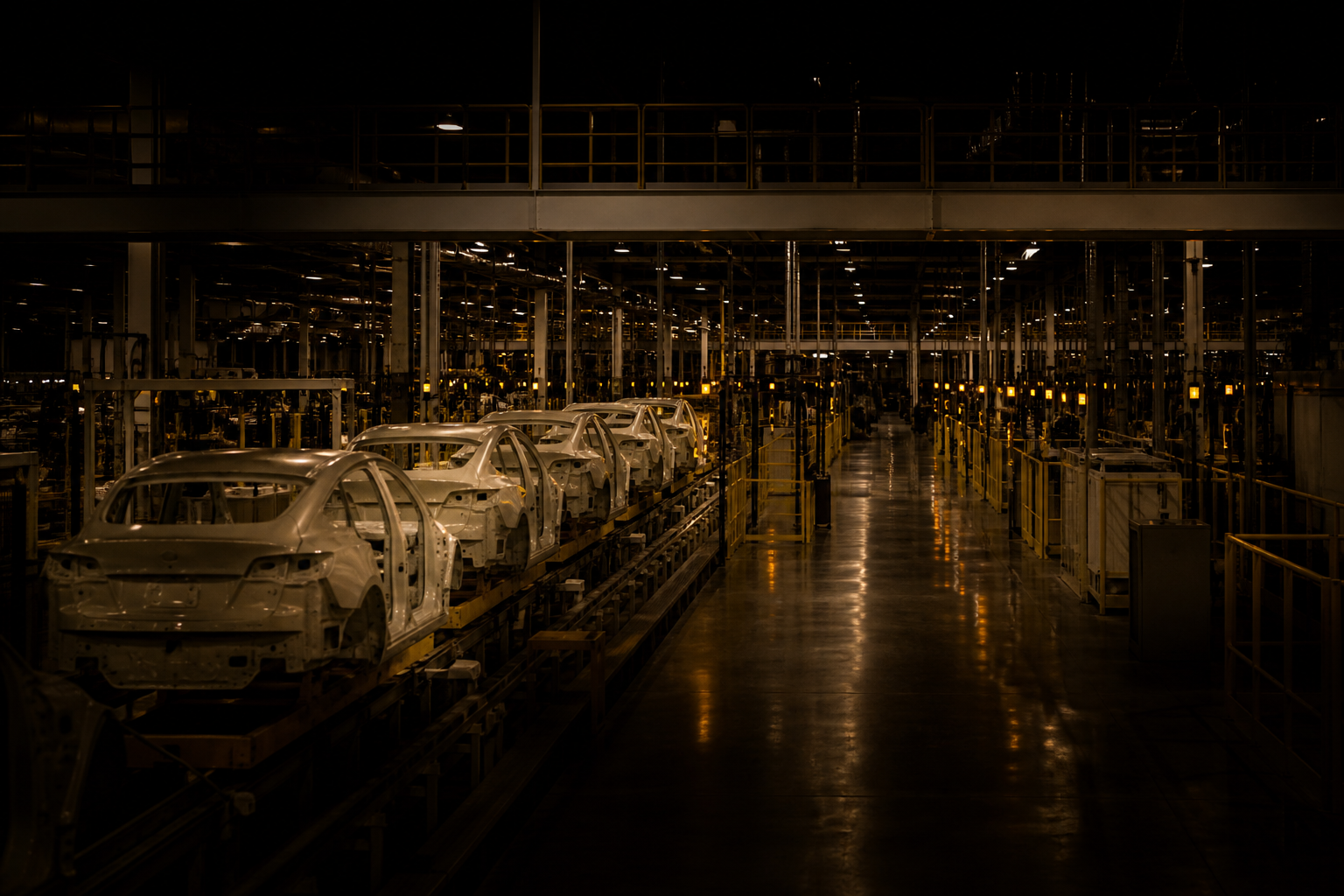
Tesla's advantage is the one that is easiest to underestimate: it already builds the vehicle, the battery, the inference computer, and the software that drives. A robotaxi network that sits on that stack does not have to beg a legacy OEM for a skateboard. It can iterate the way a software company iterates, then stamp the result in steel.
There will be arguments about maps, insurance, and who gets to say no. There should be. A serious paper can hold those arguments without treating the company like a defendant. The destination is fewer wrecks and more mobility for people who cannot or should not drive. That is a humane destination.
This is sample copy about a public ambition, not a claim that a particular city flipped a switch this morning. When the real launches come, the Tesla desk will be for the reader who wants to understand the engineering — not the reader who wants a pile-on.
The paper
Comments
No notes on this story yet.
Sign in to comment