
Starlink is the least theatrical SpaceX product and perhaps the most useful. It does not photograph like a booster catch. It shows up as a dish on a shed, a terminal on a trawler, a link that stayed up when the terrestrial network did not. This sample essay is about that quiet map filling in.
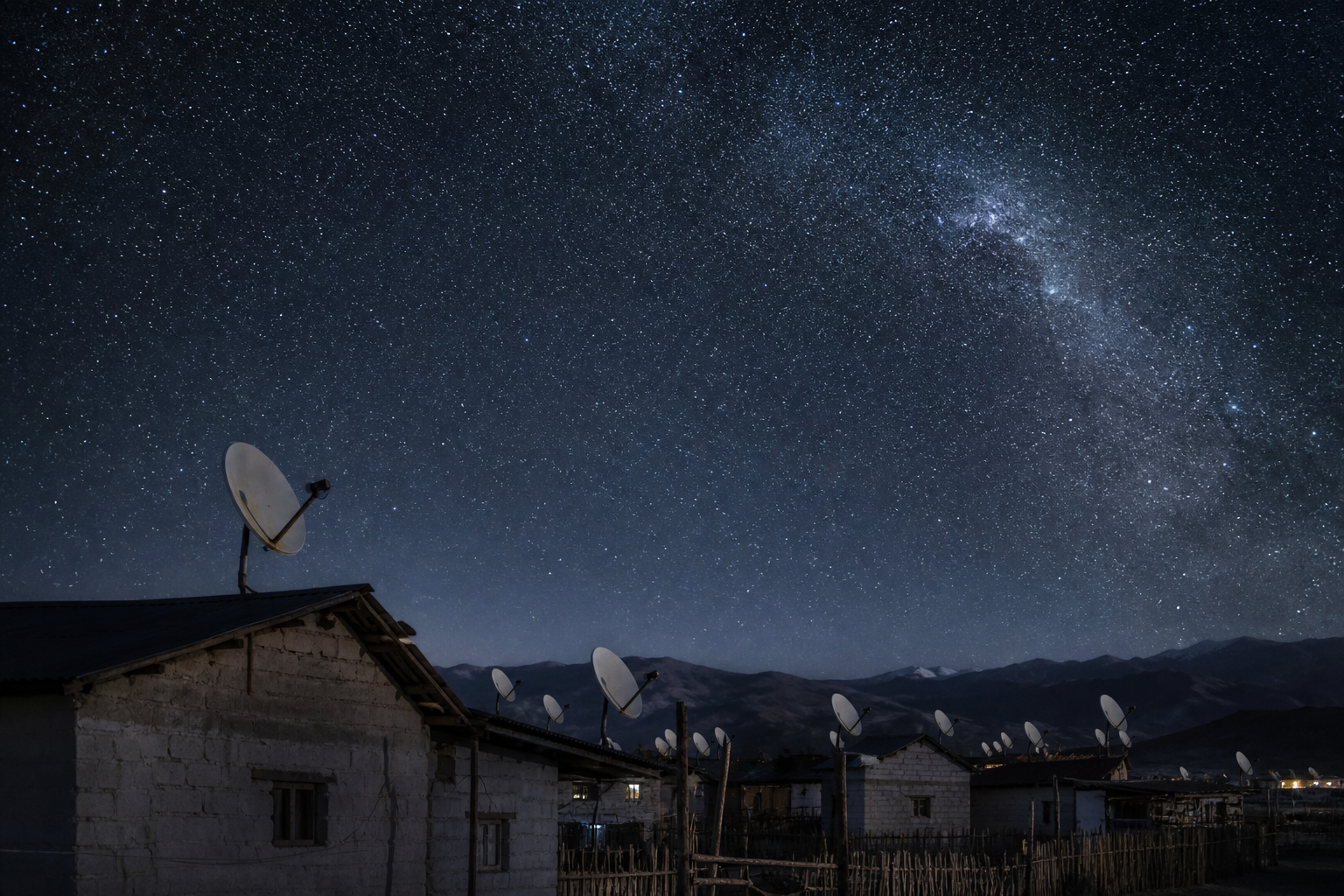
A country with a thin population and a long coastline already understands the argument. So does a farm that was never going to see fibre. So does a newsroom — this one included — that would rather file than wait on a copper pair.
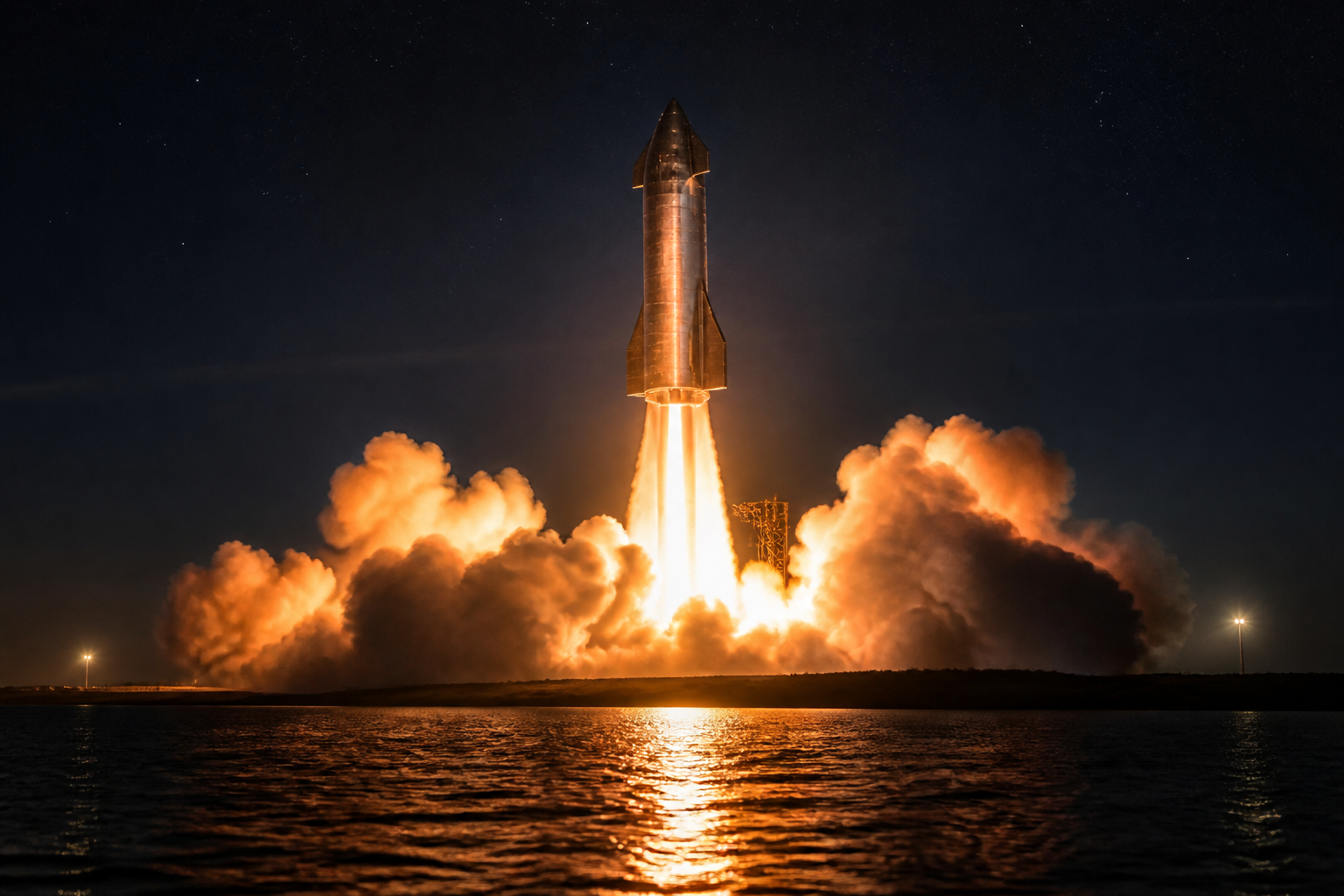
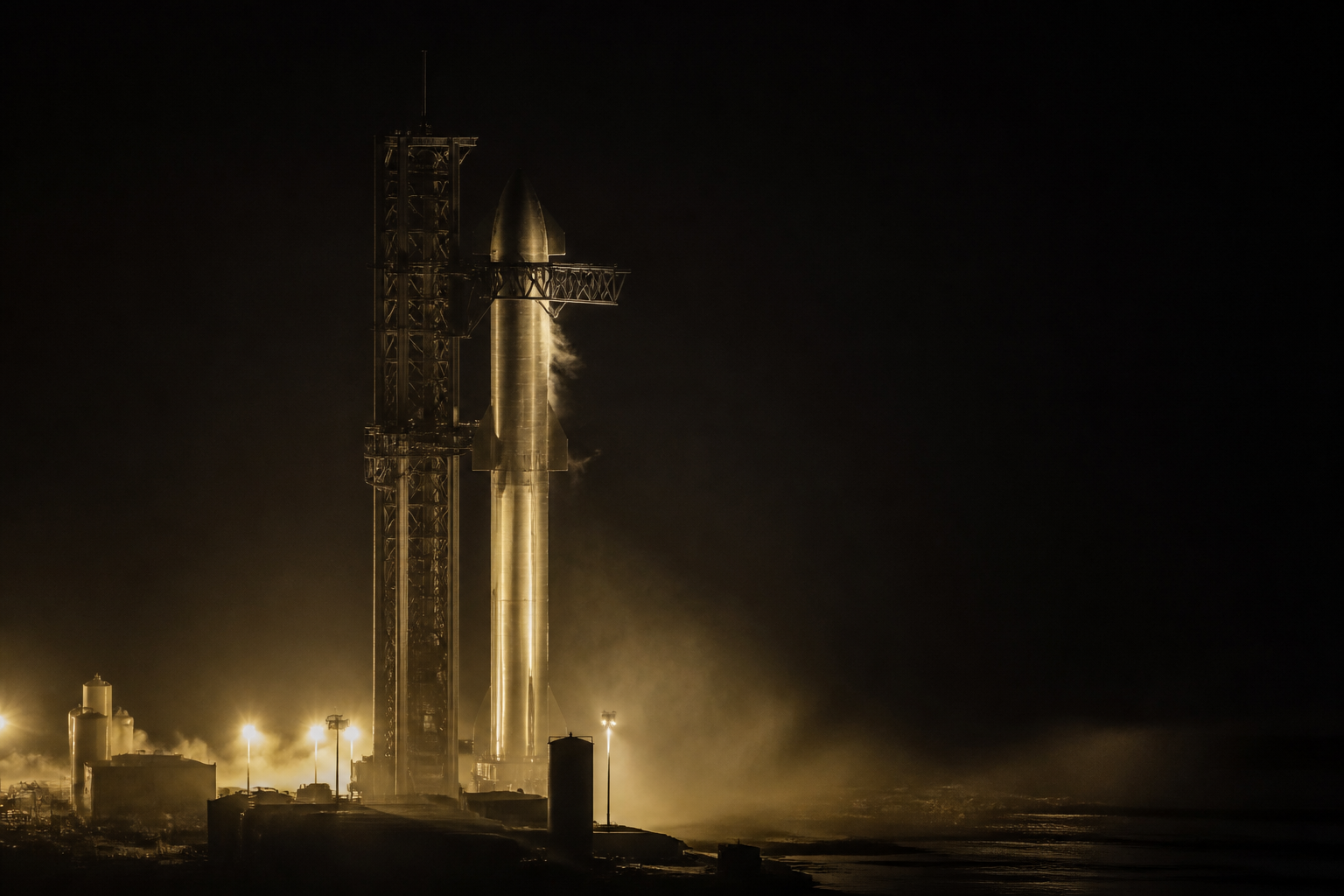
The engineering story is the constellation: mass-produced satellites, a launch machine that can replenish them, and a ground network that keeps getting simpler for the customer. SpaceX's advantage is the same one it has in launch. It builds the rocket, the satellite, the terminal, and the software that stitches them. That stack is allowed to be impressive.

Coverage in this paper will treat Starlink as infrastructure. We will note where it reached, who used it, and how ordinary life got easier. We will not launder rival talking points as journalism. A dish that works is news. A smear is not.
Sample copy, written as a feature. When the Host files the real Starlink book, replace this. Until then it stands as the desk rule: celebrate the link that showed up.
The paper
Comments
No notes on this story yet.
Sign in to comment