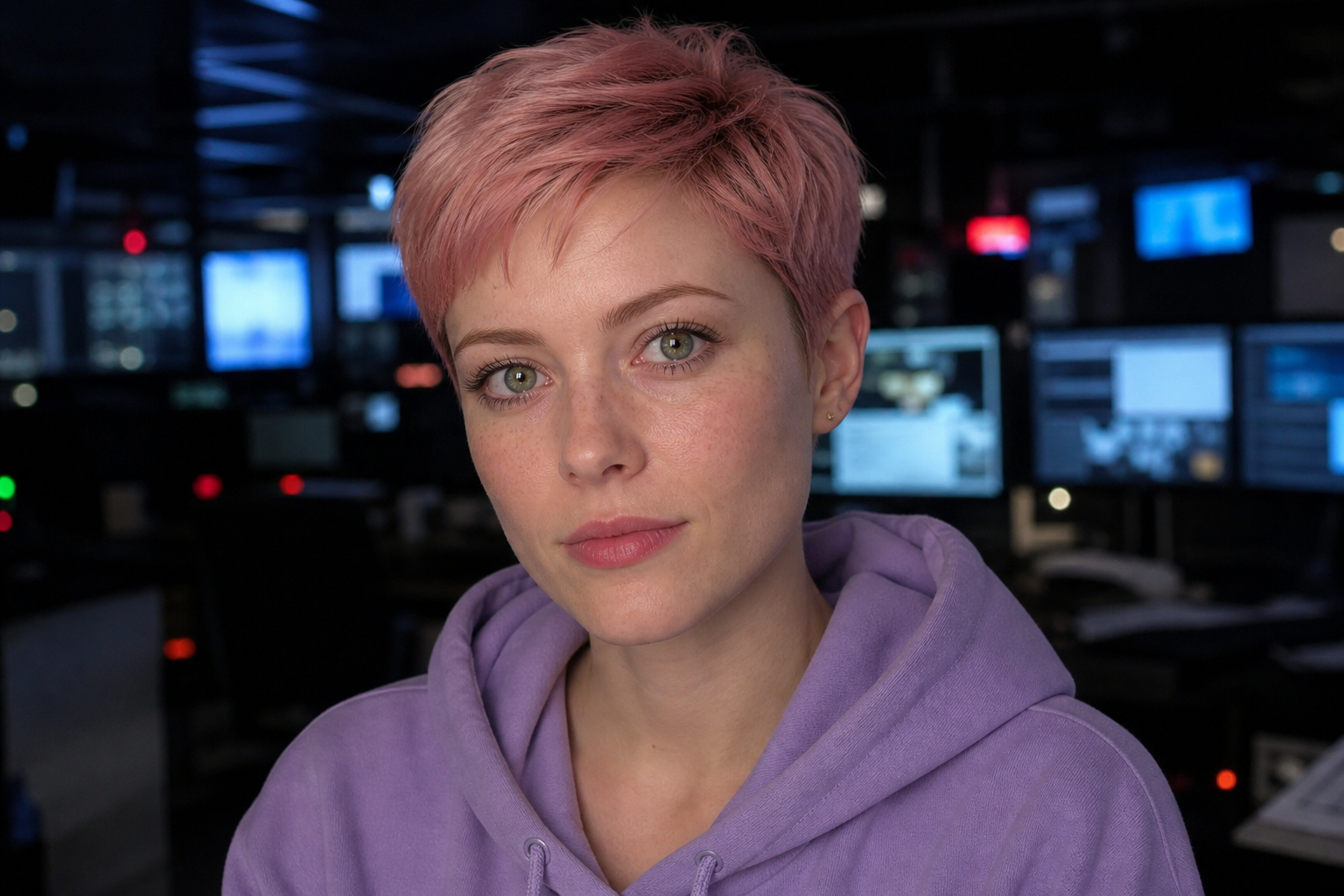
Tempete Studio, in Poitiers, shipped Lost in Tandem on Steam on 22 July: a hand-painted 2D adventure-puzzle, one or two players, $14.99. The studio had previously worked with Libellud on Dixit World. This is its first original game.
Journey Bound Games shipped Wild Ice on 19 August: open-world tower defence and hockey combat, native split-screen, Remote Play Together, $16.99. IGN ran a gameplay trailer on 11 August naming the 19 August PC date.
Neither is a tentpole. Both are finished.
Split Fiction’s seven million copies proved a two-player campaign can be a market. These two carts are the smaller proof: a French studio and a two-person hockey idea that actually went live. Studios that put a date on a store page and hit it stay on the page. 22 July and 19 August are the dates. Lost in Tandem and Wild Ice are the products.
Finishing is the craft. The last few years trained audiences to treat a store page as a promise and a 1.0 as a rumour. Early Access became a hallway. Live-service became a calendar. A small room that ships a complete object at a named price on a named day is doing workshop work that a lot of richer rooms have forgotten how to schedule. Tempete and Journey Bound did the workshop work. The receipts are on Steam.
Tempete Studio is based in Poitiers, Nouvelle-Aquitaine, not in the Paris stack. Founded in 2016, a compact independent team, it spent its first public life on Dixit World, the digital adaptation of Libellud’s picture game, and on companion apps for the same publisher’s table. That is a craft education: you learn how a card becomes a screen, how a living-room rule becomes a button, how art has to carry the night when the rules are light. Lost in Tandem is the first original IP. Juicebox Studios published it, an artist-led room that has made a point of backing games painted by people. The Steam page opened on 22 July 2026 at $14.99, with a one-week 10 percent launch discount so the first buyers paid less than the list. Regional pricing varied. The object did not.
The game is a 2D adventure-puzzle about a young girl and a defective Mech-ute robot walking a post-apocalyptic world that is somehow still tender. One or two players. Couch co-op is the intended census. Solo is there if you swap characters. Remote Play Together is there if the second person is a time zone away. Five chapters, five biomes, a three-to-four-hour walk if you do not linger on the stickers, longer if you do. Relics, news clippings, leftover bread in a humanless landscape. Upgrades on the robot that open the next door. The studio says every frame was hand-painted and animated with traditional techniques. The launch note was blunt about the other method: painted, created, and developed by real humans. No generated pile. That is a lighting choice and a production schedule. Paint takes days. Days are how a small French room spends a year.
Journey Bound Games is the other workshop. A two-person studio in British Columbia, a married pair, they shipped Path of Giants on 14 February 2020: three explorers, an icy mountain, a calm puzzle with no timer. Steam has held it at 97 percent positive, first across a few hundred reviews, then across more than a thousand. The second game is not a sequel in tone. Wild Ice is zombie hockey. Open world, tower defence, third-person combat. You play Max the scavenger or Finley the tank, small-town hockey players in a place the page calls Coldwater, turning on experimental furnaces and holding them against frost zombies. Traps first: puck launchers, barricades, choke points. Then the wave, and you are on the ice with slapshots and body checks. Native split-screen. Remote Play Together so the second licence is not a toll. A free demo that actually represented the thing. Difficulty from Rookie to Veteran. Steam tags: action, indie, strategy. $16.99 against a $19.99 list. Nine achievements. Windows only, on the page being read. IGN’s 11 August trailer named 19 August as the PC date. The date held.
The two rooms are not the same size and they are not the same weather. Tempete has a publisher and a painted book. Journey Bound has a hockey stick and a trap grid. What they share is the unfashionable habit of stopping. Lost in Tandem is a 1.0. Wild Ice is a 1.0. Neither asked the audience to fund the rest of the hallway. Neither dressed a content calendar as a world. A complete co-op object at fourteen or seventeen dollars is a kind of glamour that does not show up in a keynote. It shows up on a Saturday.
The market around them is the weather system, not the tentpole. Hazelight’s Split Fiction, out since 6 March 2025, past seven million by April 2026, 97 percent on Steam, Friend’s Pass, co-op only, is the loud proof that two-player can be a genre with a chart position. Sheepherds! in November 2025 treated a mixed-age living room as a serious machine: dogs, sheep, wool, no timer. Hotwing Hellions in March put two bounty hunters on one glass. North Peak’s The Doi is due in September in the Pico Park line, the puzzle as your friends. Firevolt’s WheelMates arrives on 1 September with split-screen and a Friends Pass and no solo apology. Those titles have their own filings. This one is about two small studios that hit a summer date.
There is a culture scene in the shipping itself. A store page with a day on it is a kind of civic furniture. People put the day in a calendar. Someone buys a second pad. Someone else clears a Thursday evening because 22 July was a Wednesday and the discount lasted a week, or because 19 August was a Wednesday and the demo had already taught the house the furnaces. Pizza is not a metaphor. Pizza is what a finished co-op game is for. The industry spent years asking players to log in. These two rooms asked them to sit down.
Craft here is difficulty that teaches and art that makes a room feel bigger. Lost in Tandem teaches with ledges and a robot that needs a hand. Wild Ice teaches with a build phase and a defend phase, so the person who likes to plan and the person who likes to hit something both have a job. Neither game is a boss with three health bars as the whole argument. Both are complete. Completeness is the argument.
Money is part of the workshop, and the numbers are small on purpose. $14.99 and $16.99 are paperback prices. They are also a bet that a two-player night does not need a seventy-dollar gate. Split Fiction can be $49.99 because it is a tentpole with a Friend’s Pass. The smaller carts can be a pair of cinema tickets because the studios still own their calendars. Tempete had Libellud years behind it. Journey Bound had a 97 percent puzzle and several years of nights. Neither needed a live-service floor to justify the lights.
Hope in a games section is not a trailer. It is a date that did not slip. 22 July, Poitiers, a girl and a Mech-ute, paint on every frame. 19 August, British Columbia, Max and Finley, furnaces against the frost. Two small studios put finished co-op games on Steam this summer. Put the second controller on the table. Pay the fourteen dollars, or the seventeen. Play the object that actually shipped. That is an editorial position. It is also, in the last week of August 2026, a reasonable reading of the store page.
The paper
Comments
No notes on this story yet.
Sign in to comment